
Clinical Dermatology
Psoriasis
Manage & Control
Expert care for psoriasis with accurate diagnosis and personalized treatment plans to reduce flare-ups, relieve symptoms and improve your skin health.
Dr. Shiva Shankar Marri
Dermatologist & Cosmetologist
MBBS | MD (DVL) | Fellowship in Cosmetology
Healthier Skin
Confident You
About Psoriasis
What is Psoriasis?
Psoriasis is a chronic, non-contagious skin condition that causes skin cells to build up rapidly, leading to red, scaly and itchy patches on the skin. It can affect any part of the body, including the scalp, elbows, knees and nails.
With the right treatment and lifestyle care, psoriasis can be effectively managed, helping you achieve clearer, healthier skin and an improved quality of life.
Book a Consultation
Chronic Skin Condition
Red, Scaly Patches
Can Affect Any Body Part
Manageable with Proper Care
Common Symptoms
- Red, raised patches on skin
- Silvery white scales
- Itching, burning or soreness
- Dry, cracked skin that may bleed
- Thickened or pitted nails
- Stiffness or pain in joints (in some cases)
Types of Psoriasis
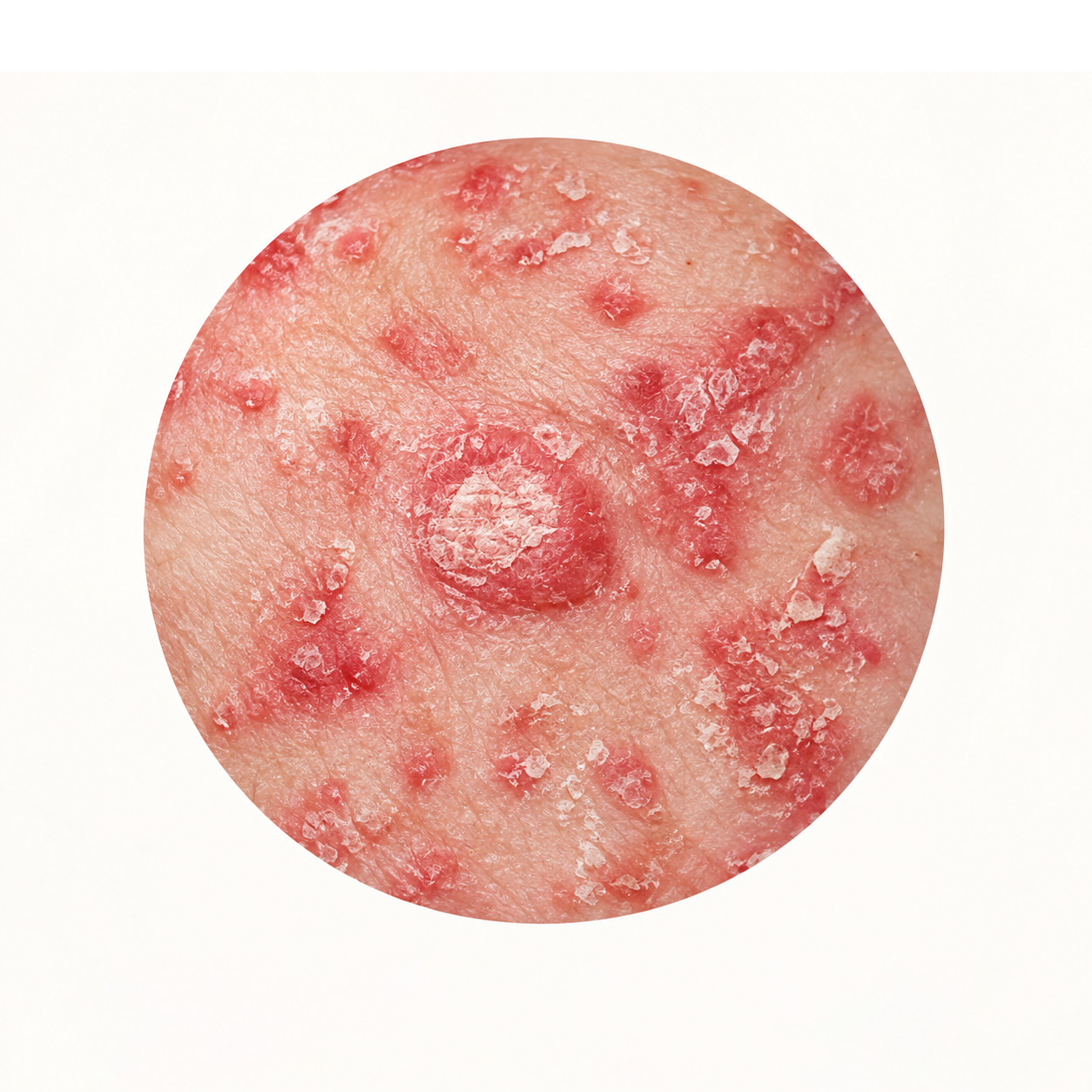
Plaque Psoriasis

Guttate Psoriasis
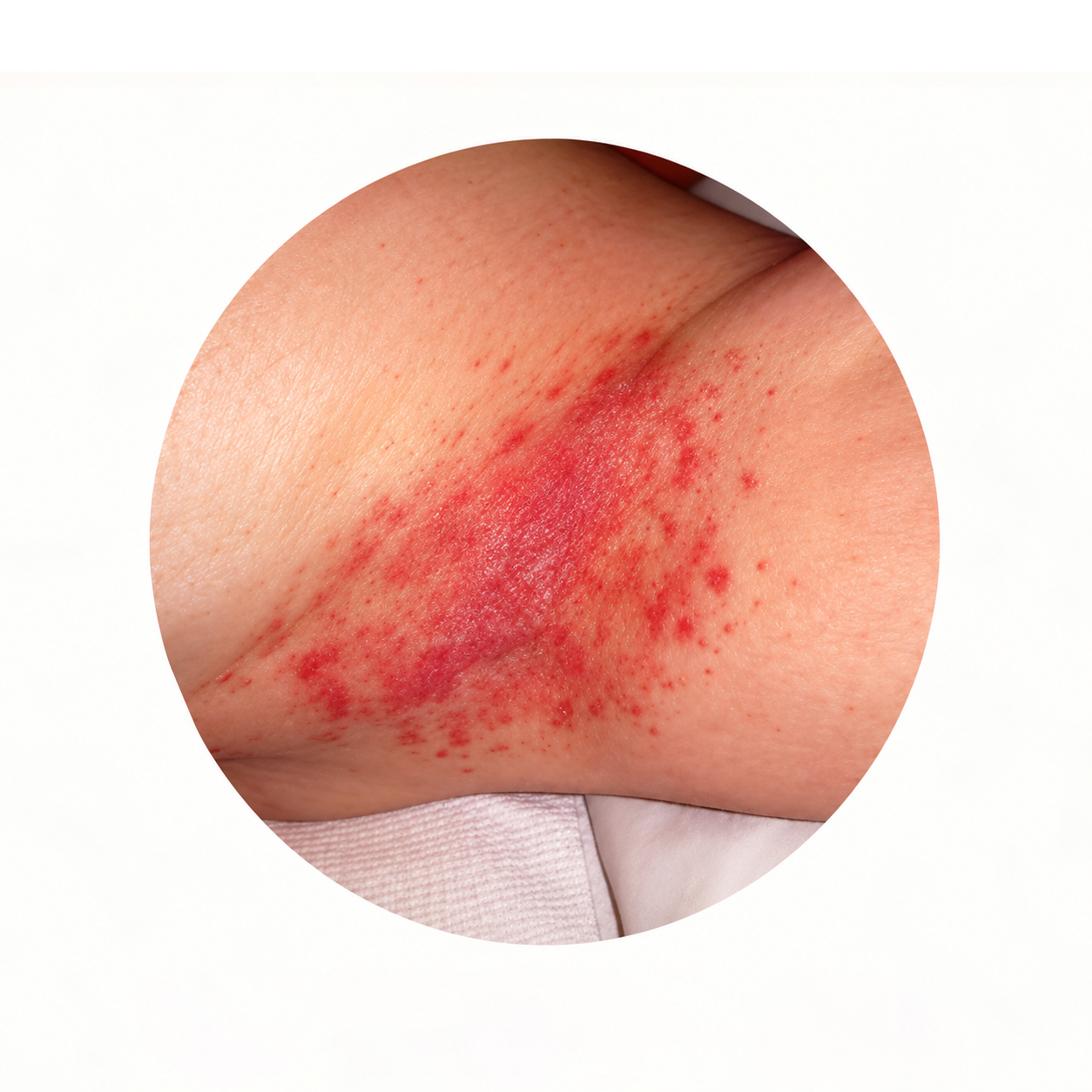
Inverse Psoriasis

Pustular Psoriasis

Erythrodermic Psoriasis
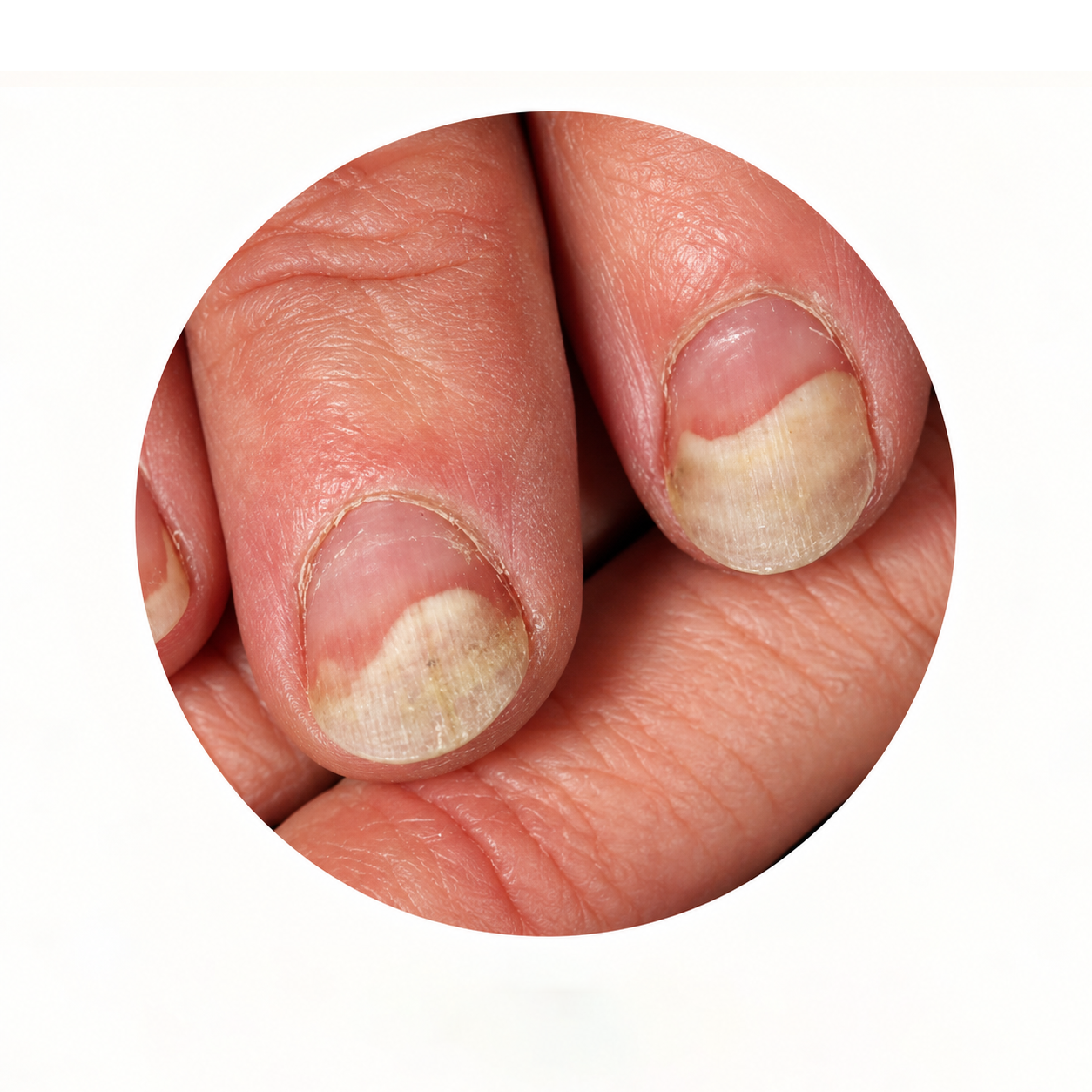
Nail Psoriasis
Commonly Affected Areas
- Scalp
- Back
- Elbows
- Knees
- Nails
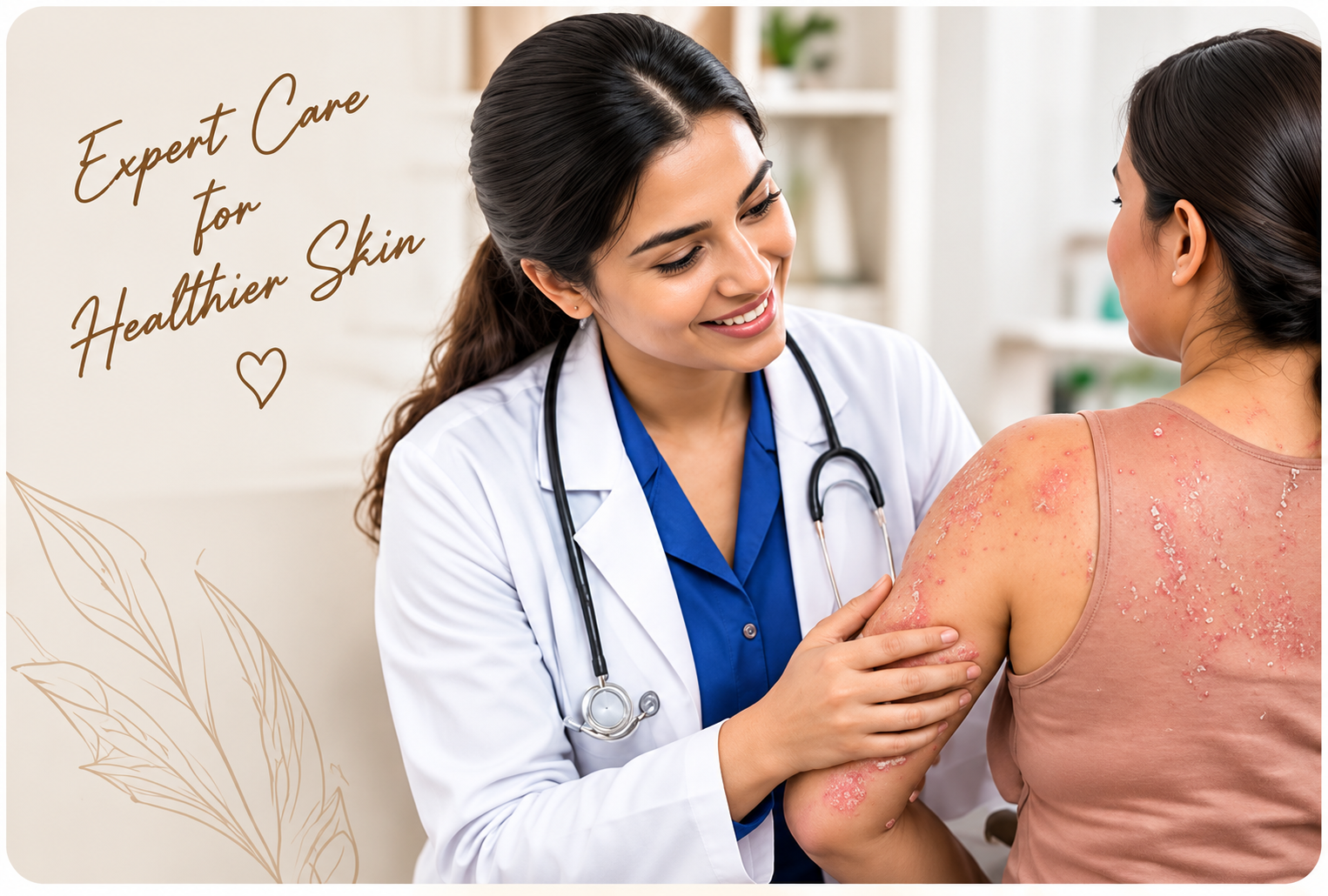
Expert Care for Clearer, Healthier Skin
Treatment Options
Personalized Treatment for Psoriasis
Treatment for psoriasis focuses on reducing symptoms, controlling flare-ups and improving skin appearance. The right approach depends on the type and severity of psoriasis, your overall health and lifestyle.
Topical Medications
Oral Medications
Phototherapy (Light Therapy)
Biologic Therapies
Lifestyle & Skincare Guidance
Our Approach
We focus on identifying your specific type of psoriasis, controlling flare-ups quickly, and building a long-term care plan to keep your skin calm and clear.
Benefits of Treatment
Reduces
flare-ups
Relieves itching
and discomfort
Improves skin
appearance
Prevents
complications
Enhances quality
of life
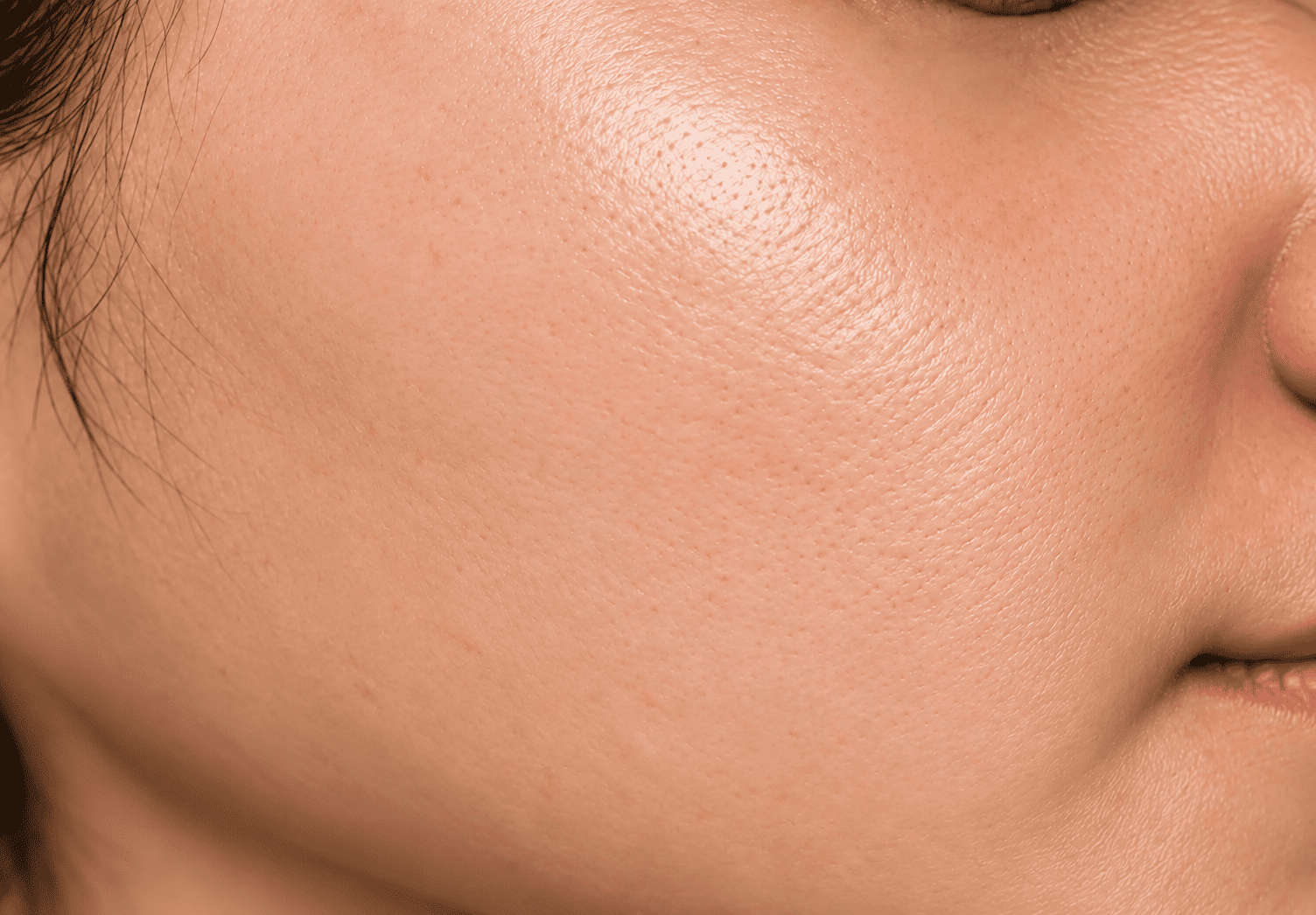
Real Results
Visible improvement with expert care.
Before
After
Before
After
Frequently Asked Questions
Your Questions, Answered
Psoriasis is an autoimmune condition where the immune system speeds up skin cell turnover, causing cells to build up on the surface. It's often linked to genetic and environmental triggers rather than a single direct cause.
Treatment options include topical creams, phototherapy, oral medications and biologic therapies. Your dermatologist will recommend an approach based on the type and severity of your psoriasis.
No. Psoriasis cannot be spread through touch, sharing items or close contact. It is an internal immune-system condition, not an infection.
Many people notice visible improvement within a few weeks of starting treatment, though full results can take several weeks to a few months depending on the therapy used.
There is currently no permanent cure, but psoriasis can be effectively managed. With the right treatment plan, most people achieve long, clear periods with minimal symptoms.
Yes. Some people develop psoriatic arthritis, which causes joint pain, stiffness and swelling alongside skin symptoms. Early evaluation helps prevent joint damage.
While diet alone doesn't cause or cure psoriasis, some people find that anti-inflammatory eating habits and maintaining a healthy weight help reduce flare-up frequency and severity.
Yes, stress is a common trigger for flare-ups. Stress-management techniques alongside your treatment plan can help reduce how often symptoms worsen.
Ready for Clearer Skin?
Take the first step towards healthy, confident skin with personalized acne treatment.
Book an AppointmentClean Skin
Brighter Tomorrow