



About SLE
What is SLE (Lupus)?
Systemic Lupus Erythematosus (SLE) is a chronic autoimmune disease in which the immune system mistakenly attacks healthy tissue. It can affect the skin, joints, kidneys, and other organs, often showing first as a facial rash or sun-sensitive skin changes.
While lupus is long-term, with accurate diagnosis, sun protection, and the right medication, flares can be controlled, skin damage minimized, and daily life kept comfortable and active.
Book a Consultation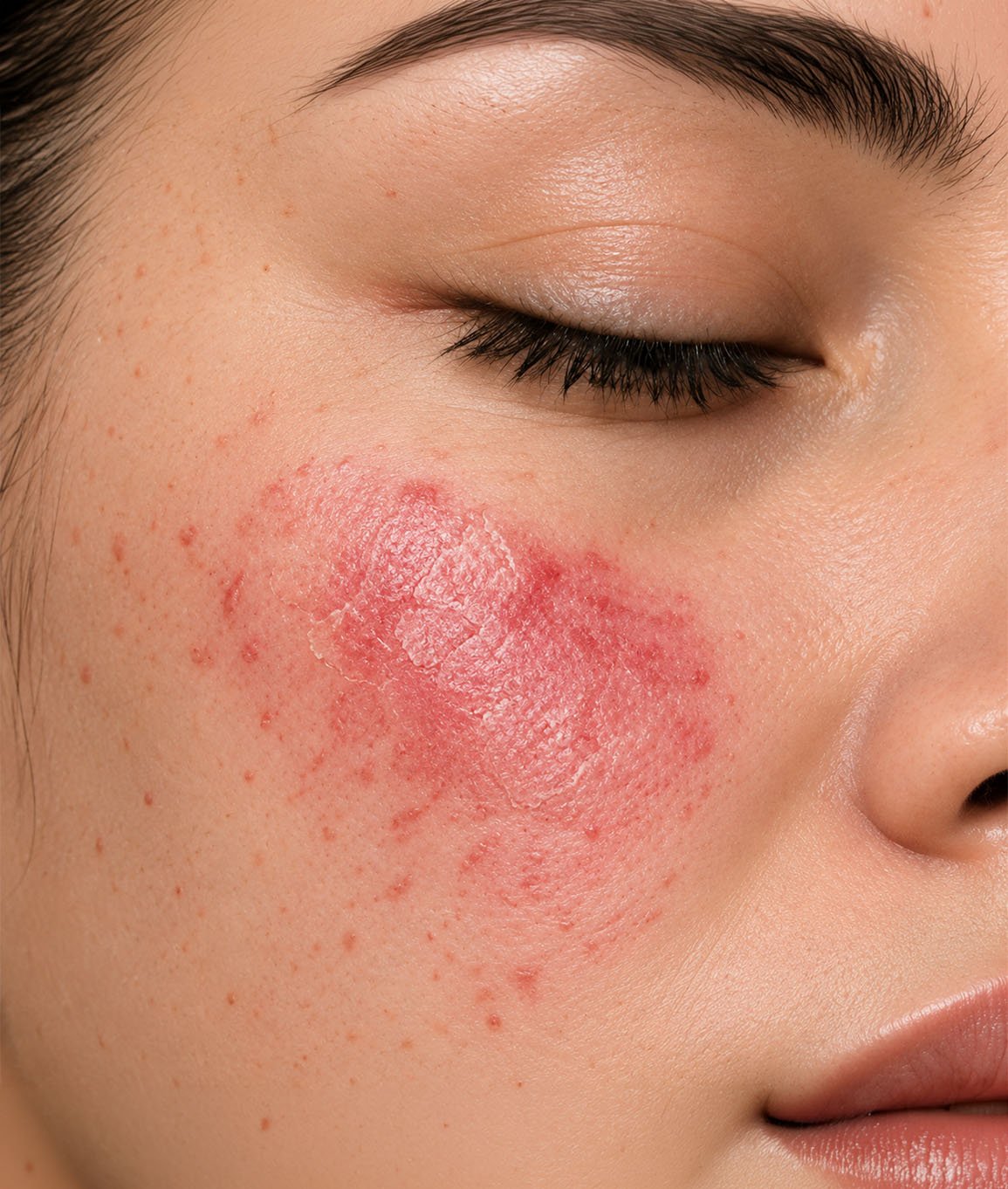
Accurate Diagnosis & Antibody Testing
Skin Lesion Management
Immunomodulatory Therapy
Photoprotection & Flare Prevention
Long-Term Monitoring & Follow-up
Common Causes
- Autoimmune dysregulation
- Genetic predisposition
- Hormonal factors, especially in women
- Sunlight (UV) exposure
- Viral infections as triggers
- Certain medications
Types of Lupus Skin Disease

Malar (Butterfly) Rash

Subacute Cutaneous Lupus
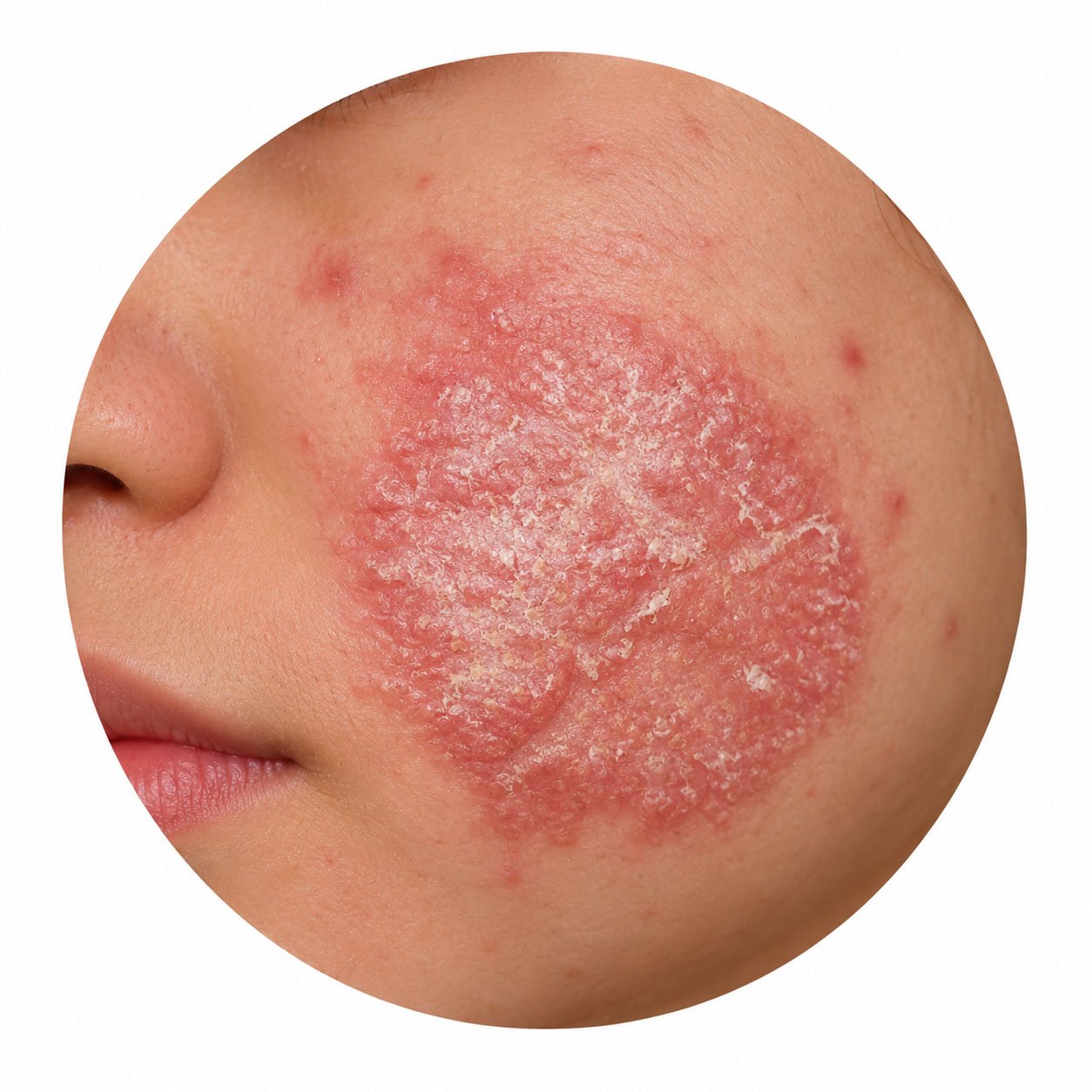
Discoid Lupus

Lupus Panniculitis

Chilblain Lupus
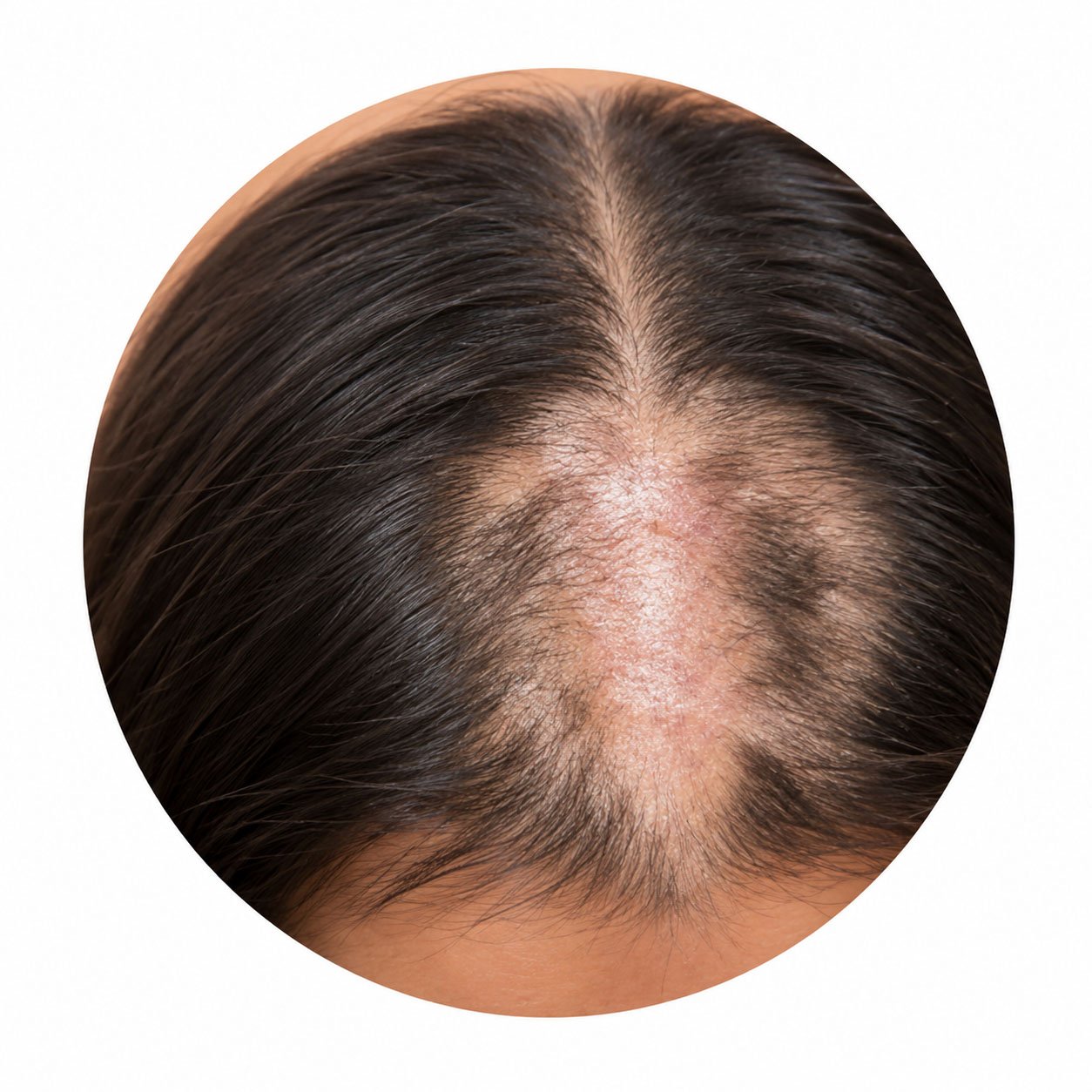
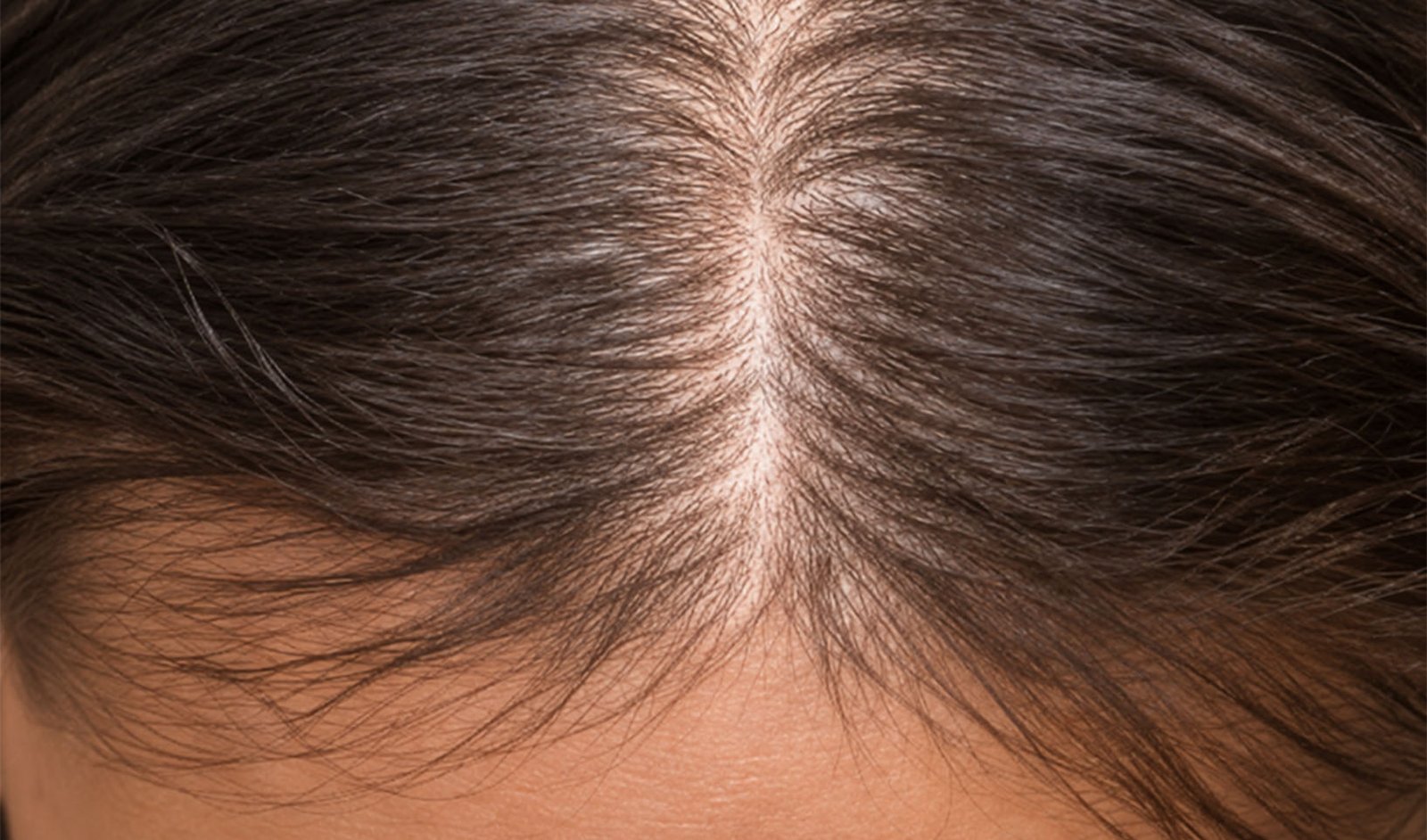
Lupus Hair Loss
Symptoms
- Butterfly-shaped rash across cheeks and nose
- Rashes that worsen with sun exposure
- Scaly, red, disc-shaped patches
- Hair thinning or patchy hair loss
- Painless sores in the mouth or nose
- Joint pain, fatigue, and low-grade fever

Control Flares, Protect Skin
Treatment Options
How We Treat SLE
We offer personalized, evidence-based treatment plans based on your disease activity, skin involvement, and overall health, coordinated with your wider care team.
Our Approach
We focus on controlling disease activity, protecting your skin from sun and scarring, and working closely with rheumatology and other specialists for complete, long-term care.
Real Results
Visible healing with expert care.
 Before
 After
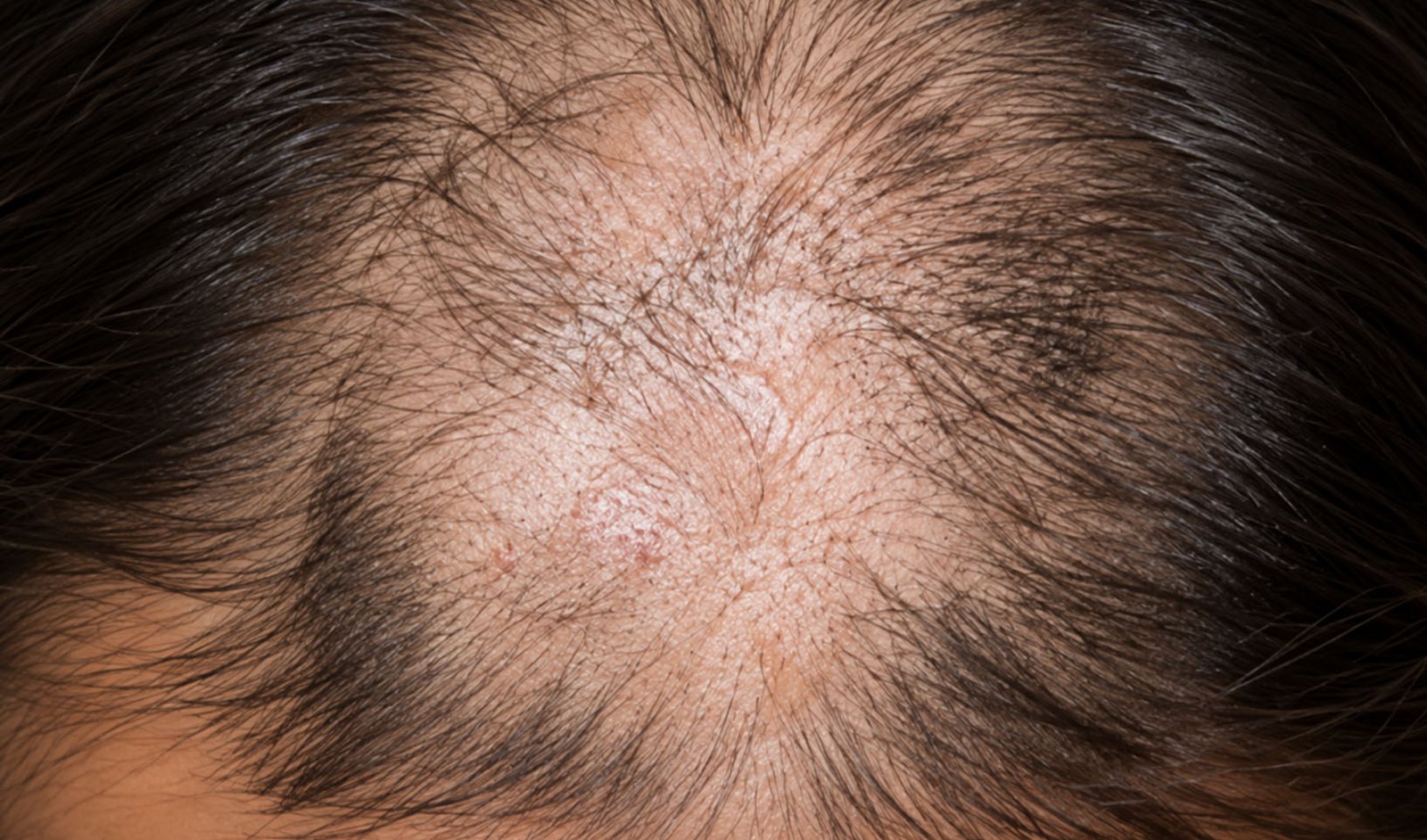 Before
 After

Ready for Clearer Skin?
Take the first step towards healthy, confident skin with personalized acne treatment.
Book an AppointmentClean Skin
Brighter Tomorrow