

About Punch Biopsy
What is a Punch Biopsy?
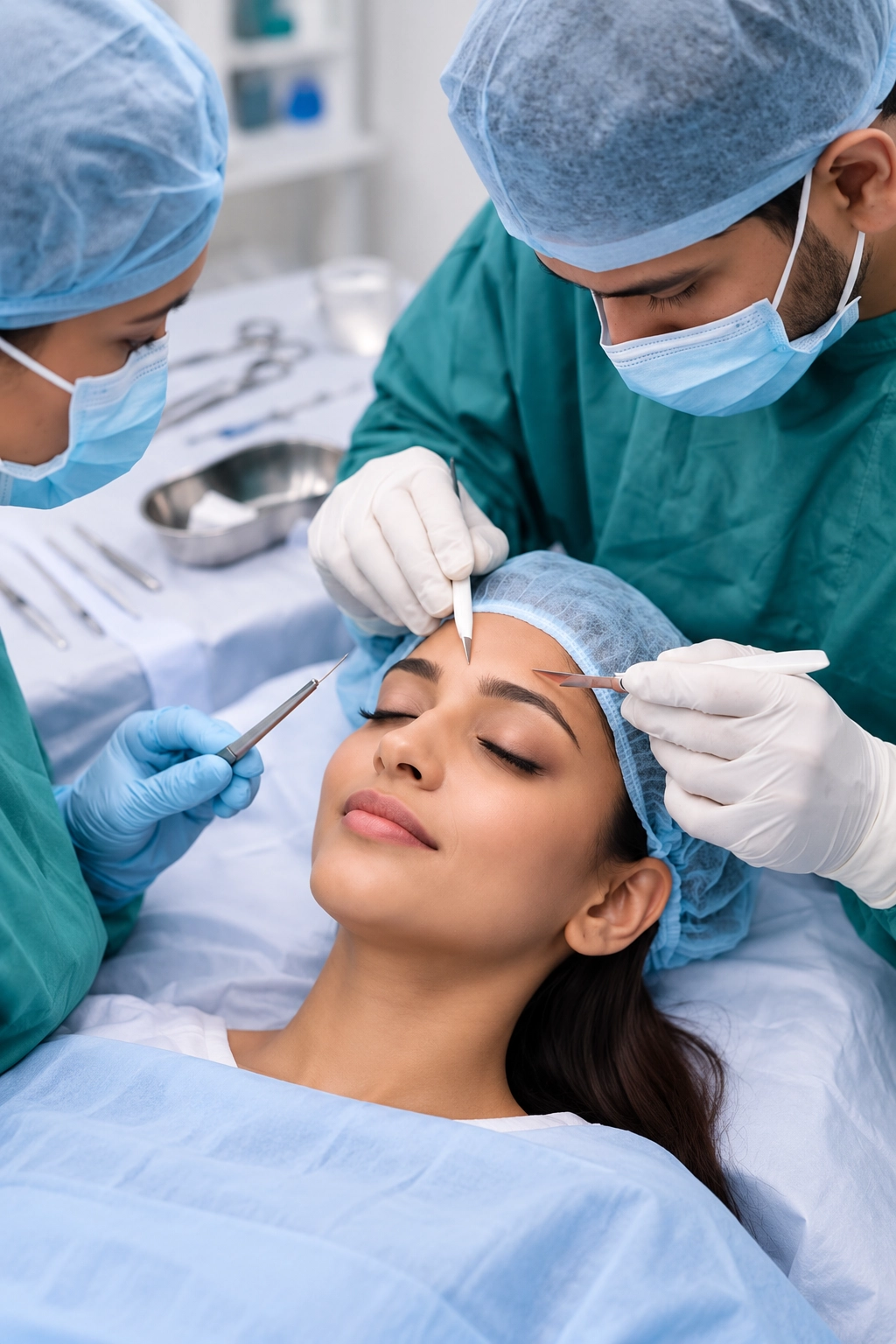
A punch biopsy is a minor procedure in which a small, round, hollow tool, usually about 2 to 6 millimetres wide, removes a tiny cylinder of skin. The sample is sent to a laboratory, where a pathologist examines it under the microscope to help identify the cause of a skin problem.
It is used to diagnose rashes that are hard to name, chronic or autoimmune skin conditions, infections, hair and scalp disorders, and growths or moles that look unusual. It is done with local anaesthesia in the clinic, and the result helps guide the right treatment. A biopsy is a diagnostic test and does not on its own mean something serious is present.
Book a Consultation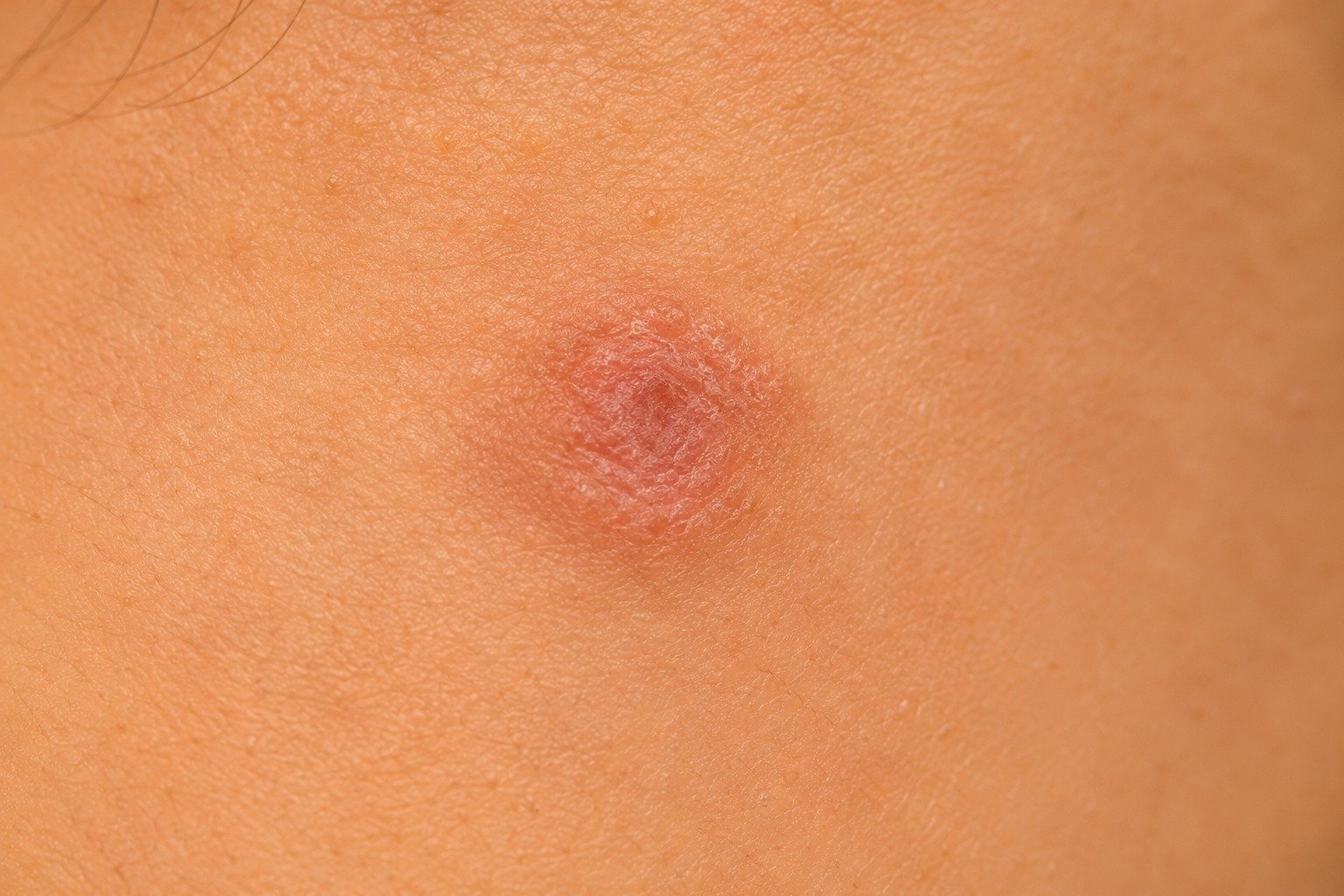
Skin Examination & Site Selection
Local Anaesthesia for Comfort
Tiny Circular Skin Sample
Laboratory Study of the Sample
Result Review & Treatment Plan
When It's Advised
- A rash with no clear diagnosis
- A mole or growth that has changed
- A skin problem that is not healing
- Long-standing patches or plaques
- Blisters or sores of unclear cause
- To confirm a suspected diagnosis
Conditions We Evaluate
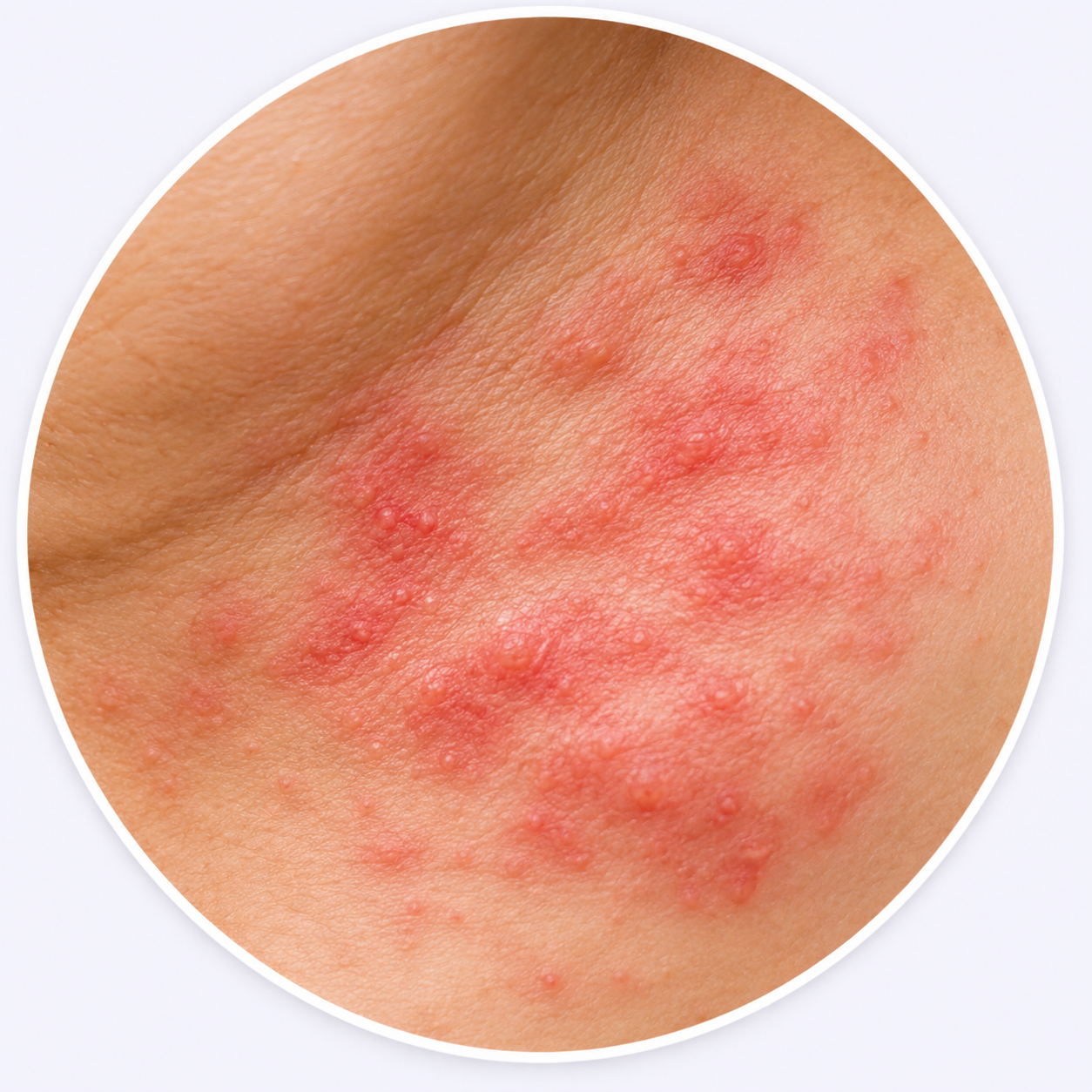
Inflammatory Rashes
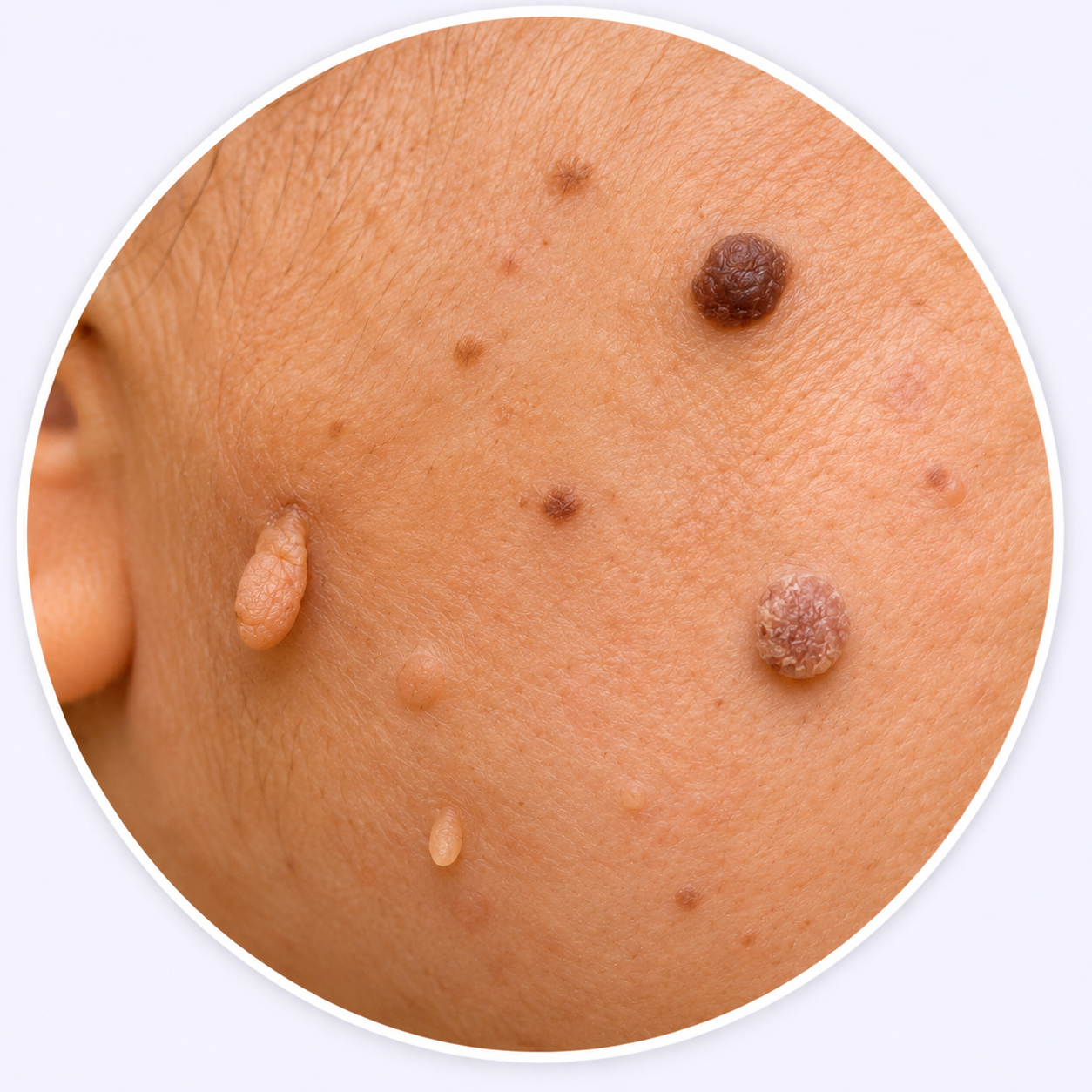
Moles & Growths

Blistering Disorders
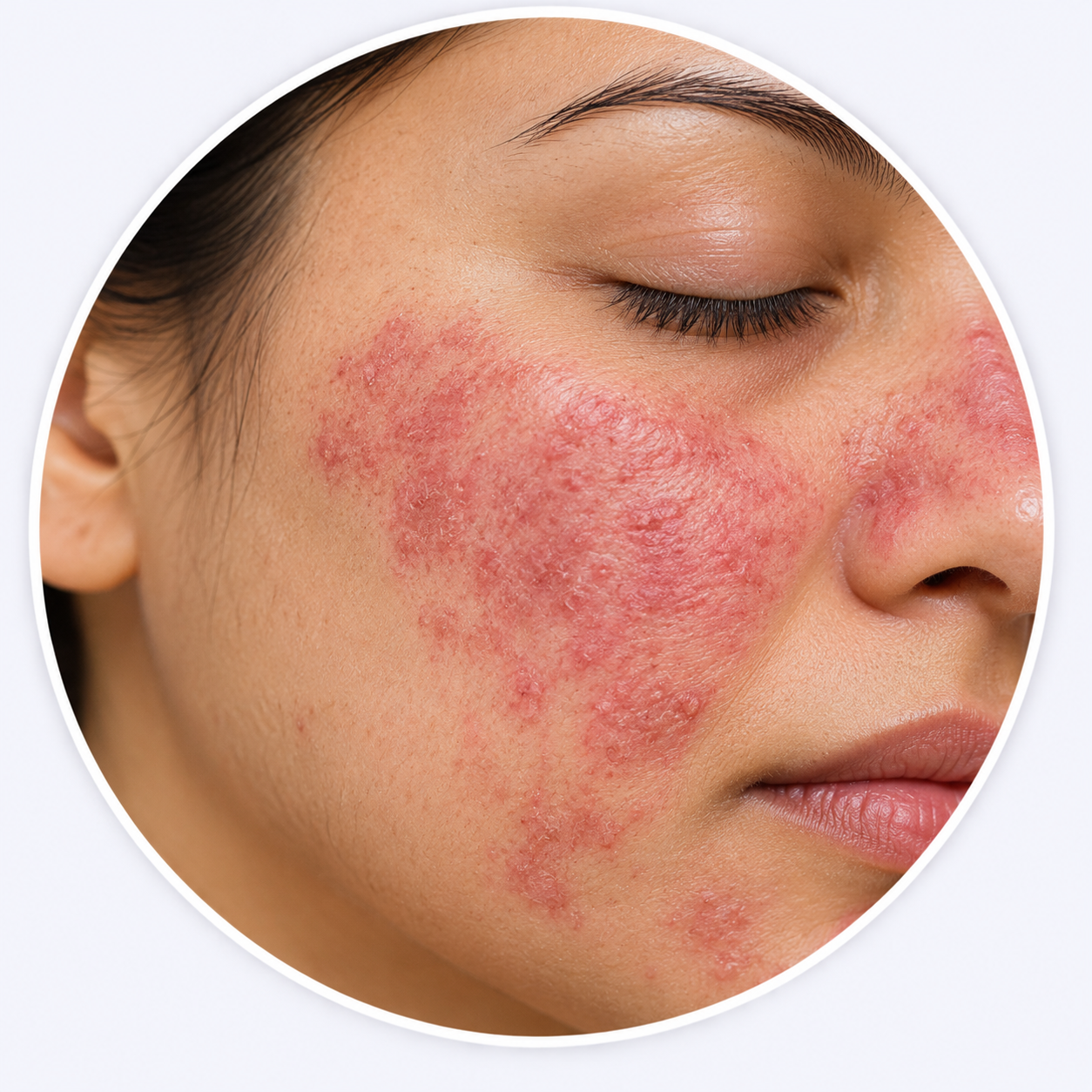
Autoimmune Conditions

Scalp & Hair Disorders

Chronic Infections
Who May Need It
- Anyone whose skin condition needs a firm diagnosis
- Patients not improving with their current treatment
- Those with a changing or unusual-looking mole or growth
- People with suspected autoimmune or blistering disease
- Unexplained scalp or hair loss that needs clarity
- Adults and children when the doctor advises it
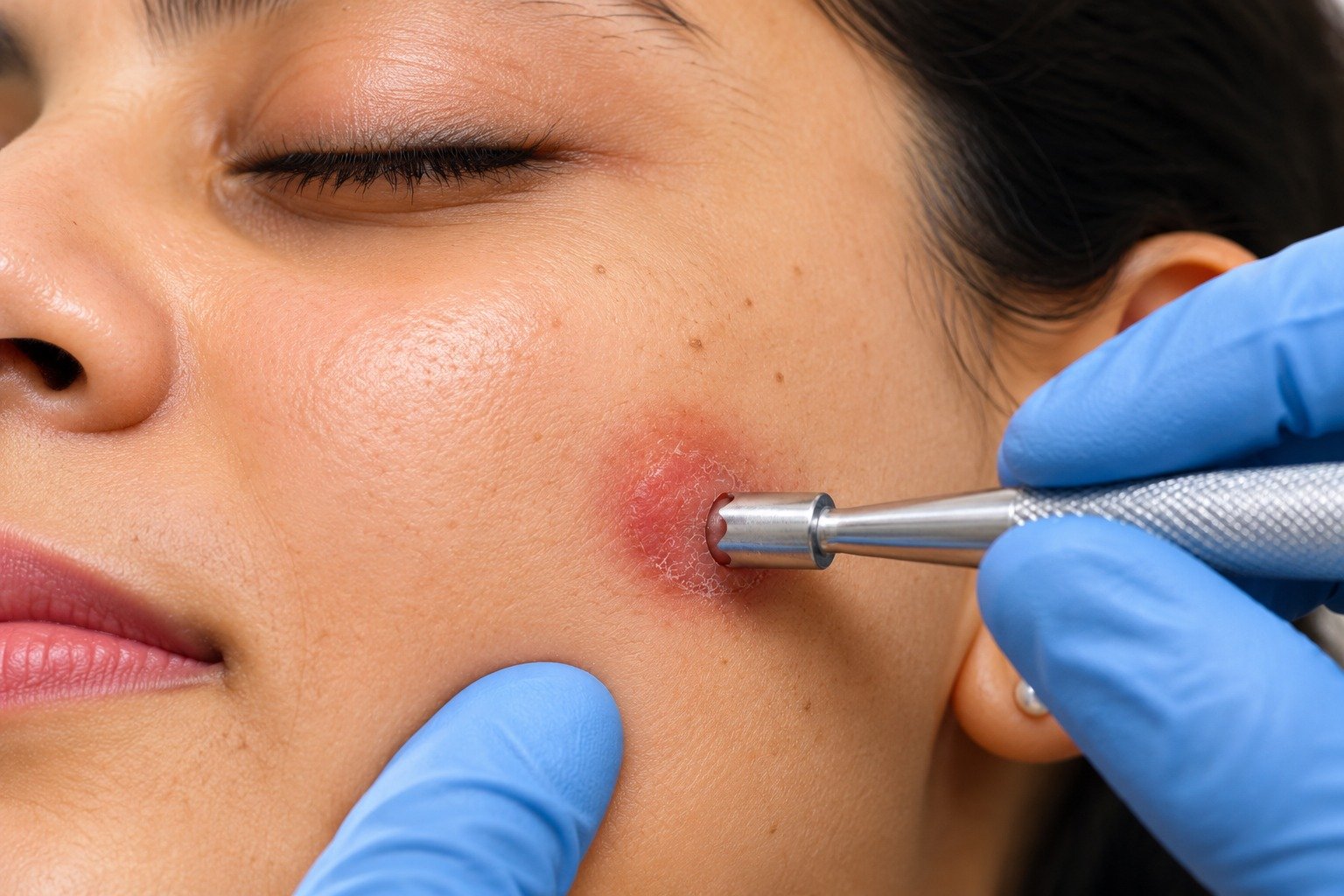
A Small Sample, A Clear Diagnosis
Procedure Steps
Our Punch Biopsy Process
A short, step-by-step in-clinic procedure carried out under dermatologist supervision, with the biopsy site chosen carefully to give the most useful sample, and designed to be comfortable and safe.
Our Approach
We choose the most informative spot, use the smallest punch that will give an adequate sample, and send it to a trusted laboratory. Once the report is back, we explain the result in plain language and plan treatment with you.
Real Results
Small wounds, well healed.
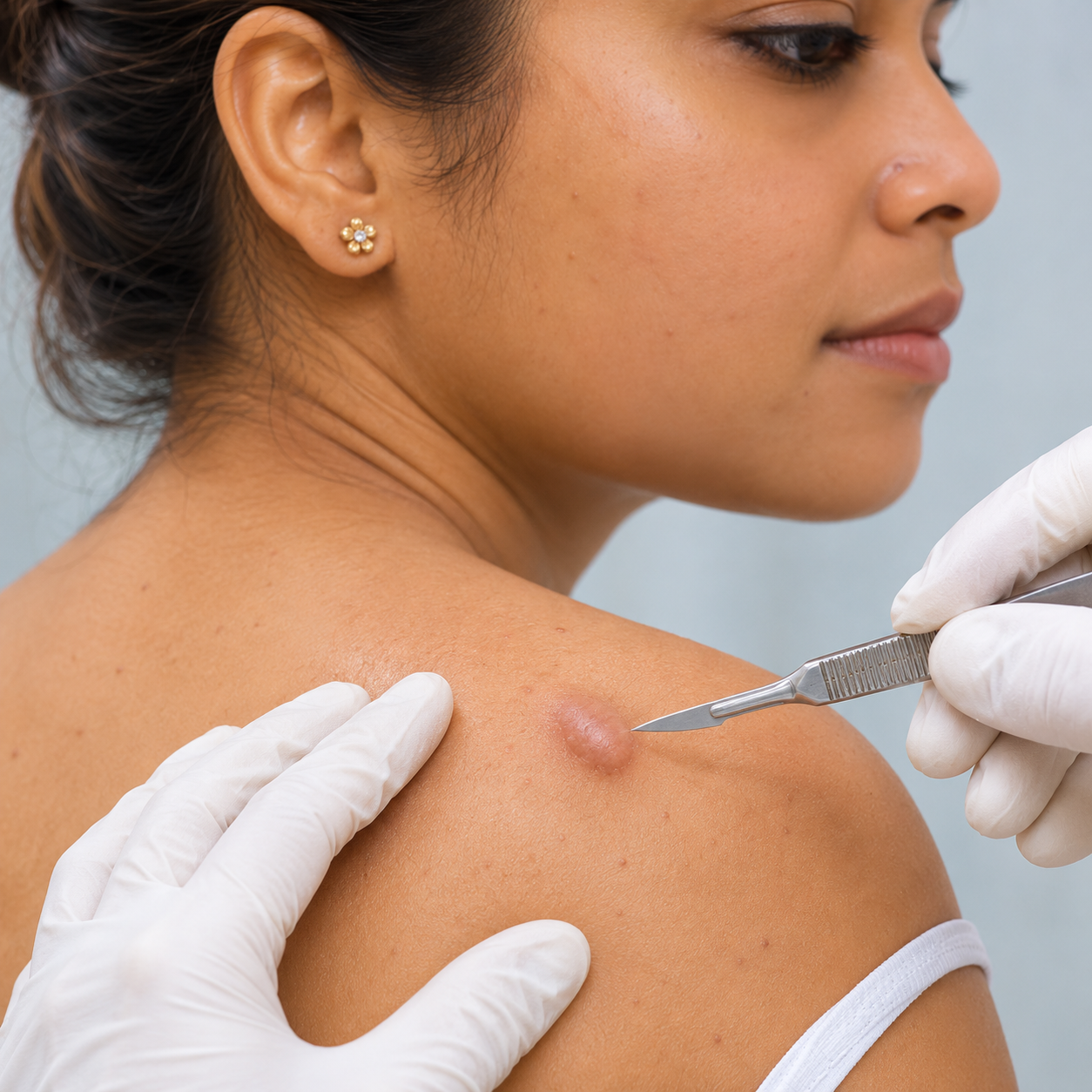 Before
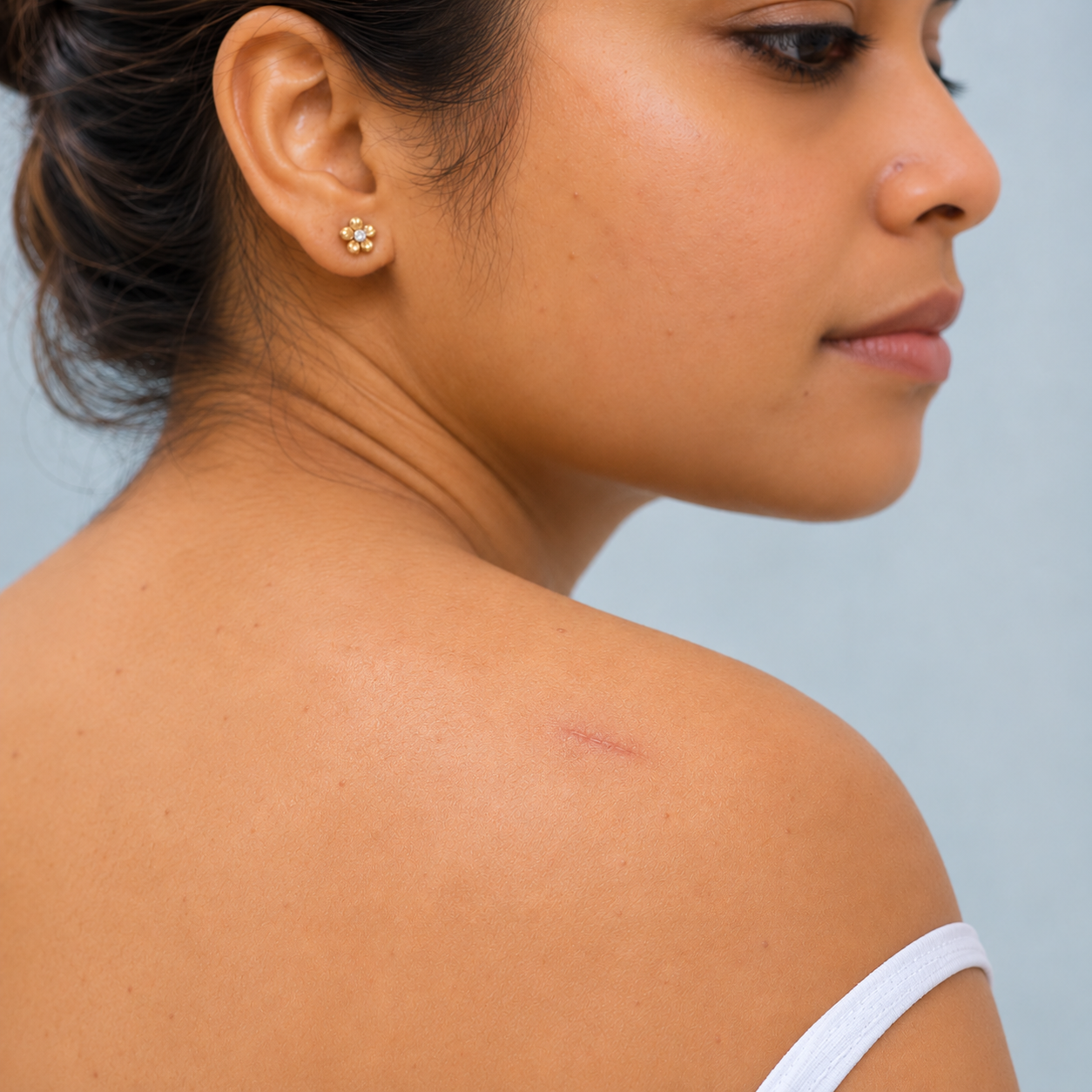 After
 Before
 After

Ready for Clearer Skin?
Take the first step towards healthy, confident skin with personalized acne treatment.
Book an AppointmentClean Skin
Brighter Tomorrow